If you’ve ever wondered, “How often should I see a physiotherapist?”, you’re not alone. It’s one of the most common questions people ask when recovering from an injury, managing pain, or trying to stay active.
The truth is, there isn’t a one-size-fits-all answer. Your ideal physiotherapy schedule depends on your condition, your goals, and how your body responds to treatment. However, recent research continues to show that consistent attendance and adherence to your physiotherapy plan are among the biggest predictors of successful recovery.
Whether you’re dealing with back pain, a sports injury, arthritis, or post-surgical rehabilitation in Edmonton, AB, book now for guidence on understanding how physiotherapy can help you recover faster and prevent setbacks.
Why Do People Need Physiotherapy?
Physiotherapy helps people recover from injuries, reduce pain, improve movement, and return to their normal activities.
Common conditions treated by physiotherapists include:
- Low back pain
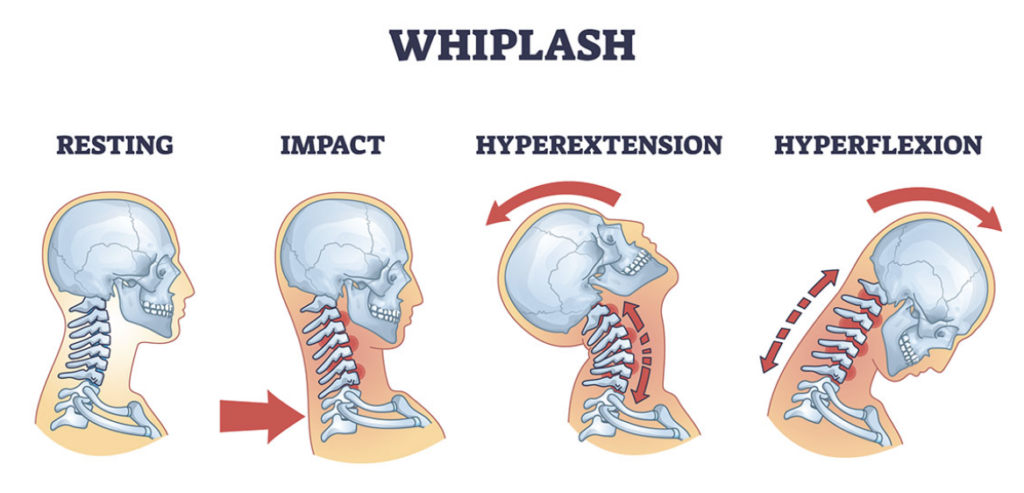
- Neck pain
- Sports injuries
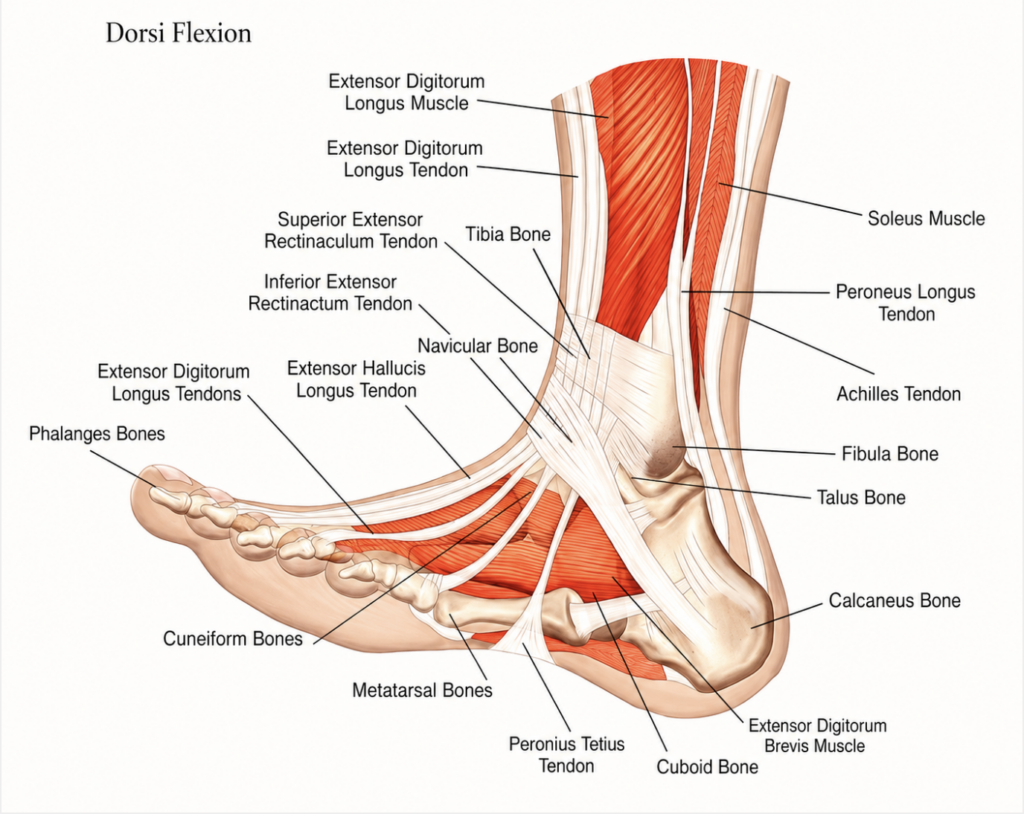
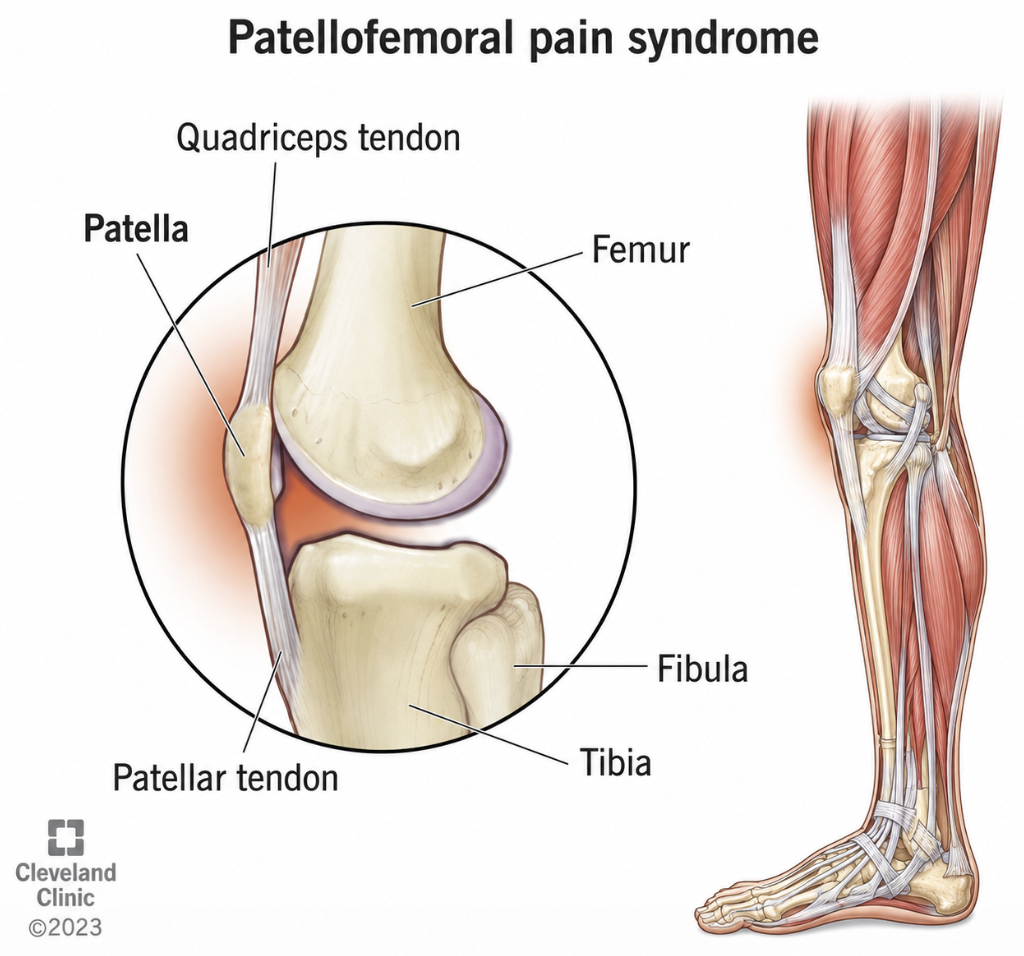
- Tendonitis
- Arthritis
- Work-related injuries
- Post-surgical recovery
- Balance and mobility issues
These conditions can affect anyone; however, athletes, office workers, older adults, tradespeople, and individuals recovering from surgery are often at greater risk.
A Growing Problem: More People Are Living with Musculoskeletal Pain
Globally, musculoskeletal conditions such as back pain, neck pain, and osteoarthritis remain among the leading causes of disability. As more people spend long hours sitting, working remotely, or using mobile devices, physiotherapists continue to see rising numbers of patients with movement-related pain and stiffness.
Consequently, many people are seeking physiotherapy not only for injury recovery but also for prevention and long-term health management. In fact, researchers estimate that global low back pain cases will increase from approximately 619 million people in 2020 to 843 million by 2050, highlighting the growing need for preventative care, exercise, and physiotherapy interventions.
So, How Often Should You Visit a Physiotherapist?
The frequency of visits depends on your condition and stage of recovery.
Early Stage Recovery
If you’ve recently experienced an injury or undergone surgery, your physiotherapist may recommend:
1–3 visits per week
During this phase, treatment focuses on:
- Reducing pain and inflammation
- Restoring mobility
- Improving movement patterns
- Preventing complications
More frequent visits allow your physiotherapist to monitor progress and adjust your treatment plan as needed.
Middle Stage Recovery
As symptoms improve, appointments are often reduced to:
Once every 1–2 weeks
At this point, your physiotherapist typically focuses on:
- Strengthening exercises
- Improving flexibility
- Building endurance
- Returning to work or sport
Maintenance and Prevention
Many patients eventually transition to:
Monthly or occasional check-ins
These appointments help:
- Prevent recurring injuries
- Maintain mobility
- Address minor issues before they become major problems
- Support long-term health and fitness goals

What Does It Take to Get Better?
Although physiotherapy treatments are important, recovery doesn’t happen only in the clinic.
Research consistently shows that following your home exercise program is a major factor in achieving positive outcomes. In fact, a 2024 review found that strategies improving patient adherence significantly enhance physiotherapy outcomes. Likewise, newer research shows that patients who stay engaged with their rehabilitation plans tend to experience better recovery overall.
Therefore, successful recovery typically requires:
- Attending scheduled appointments
- Completing prescribed exercises
- Staying physically active
- Following professional advice
- Being patient and consistent
People Also Ask
How Long Should I Wait Between Physio Appointments?
For most conditions, appointments are initially scheduled every few days to once per week. As your symptoms improve, visits may be spaced out to every two to four weeks.
Your physiotherapist will determine the ideal timing based on:
- Severity of symptoms
- Healing stage
- Activity level
- Treatment goals
In other words, the schedule should be individualized rather than based on a fixed rule.
Can You Overdo Physio Exercises?
Yes, absolutely.
While exercise is essential for recovery, more is not always better.
Signs you may be overdoing your exercises include:
- Increased pain lasting more than 24 hours
- Significant swelling
- Reduced function
- Excessive fatigue
A small amount of muscle soreness can be normal; however, worsening symptoms may indicate that your body needs more recovery time.
That’s why physiotherapists carefully balance exercise progression with adequate rest.
How Many Days a Week Should I Do Physio?
For many conditions, physiotherapy exercises are prescribed 3–5 days per week. Some rehabilitation programs may require daily exercises, while others involve strength training only 2–3 times weekly.
The best schedule depends on:
- Your diagnosis
- Your recovery stage
- Exercise intensity
- Your body’s response
Following the specific program designed by your physiotherapist is always the safest approach.
Physiotherapy in Edmonton, AB
If you’re experiencing pain, recovering from an injury, or wondering whether you’re attending physiotherapy often enough, a personalized assessment can provide clarity.
Every person heals differently. Therefore, the ideal treatment frequency should be based on your specific needs, goals, and recovery progress.
At our Edmonton, AB physiotherapy clinic, we create individualized treatment plans designed to help you recover efficiently while building long-term resilience and confidence in movement.
Ready to Start Feeling Better?
Don’t wait for pain or stiffness to limit your lifestyle. Whether you’re recovering from an injury, managing chronic pain, or looking to stay active and healthy, physiotherapy can help.
Contact our Edmonton, AB clinic today to book your assessment and discover a treatment plan tailored specifically to you. Your recovery journey starts with a single step!
References
Ley, C., & Putz, P. (2024). Efficacy of interventions and techniques on adherence to physiotherapy in adults: An overview of systematic reviews and panoramic meta-analysis. Systematic Reviews, 13(1), 137. https://doi.org/10.1186/s13643-024-02538-9
Simmich, J., Ross, M. H., & Russell, T. (2024). Real-time video telerehabilitation shows comparable satisfaction and similar or better attendance and adherence compared with in-person physiotherapy: A systematic review. Journal of Physiotherapy, 70(3), 181–192. https://doi.org/10.1016/j.jphys.2024.06.001
Lee, A. S. Y., Xu, S. S., Yung, P. S. H., Ong, M. T. Y., Chan, C. H. C., Chung, J. S. K., & Chan, D. K. C. (2024). Tracking and predicting the treatment adherence of patients under rehabilitation: A three-wave longitudinal validation study for the Rehabilitation Adherence Inventory. Frontiers in Psychology, 15, 1284745. https://doi.org/10.3389/fpsyg.2024.1284745
Arensman, R. M., Pisters, M. F., Kloek, C. J. J., Koppenaal, T., Veenhof, C., & Ostelo, R. J. W. G. (2024). Exploring the association between adherence to home-based exercise recommendations and recovery of nonspecific low back pain: A prospective cohort study. BMC Musculoskeletal Disorders, 25, 614. https://doi.org/10.1186/s12891-024-07705-6
World Health Organization. (2022). Musculoskeletal conditions. https://www.who.int/news-room/fact-sheets/detail/musculoskeletal-conditions
Ferreira, M. L., de Luca, K., Haile, L. M., et al. (2023). Global, regional, and national burden of low back pain, 1990–2020, its attributable risk factors, and projections to 2050: A systematic analysis of the Global Burden of Disease Study 2021. The Lancet Rheumatology, 5(6), e316–e329. https://doi.org/10.1016/S2665-9913(23)00098-X