Here’s What You Need to Know About Neck Pain, Recovery, and Physiotherapy
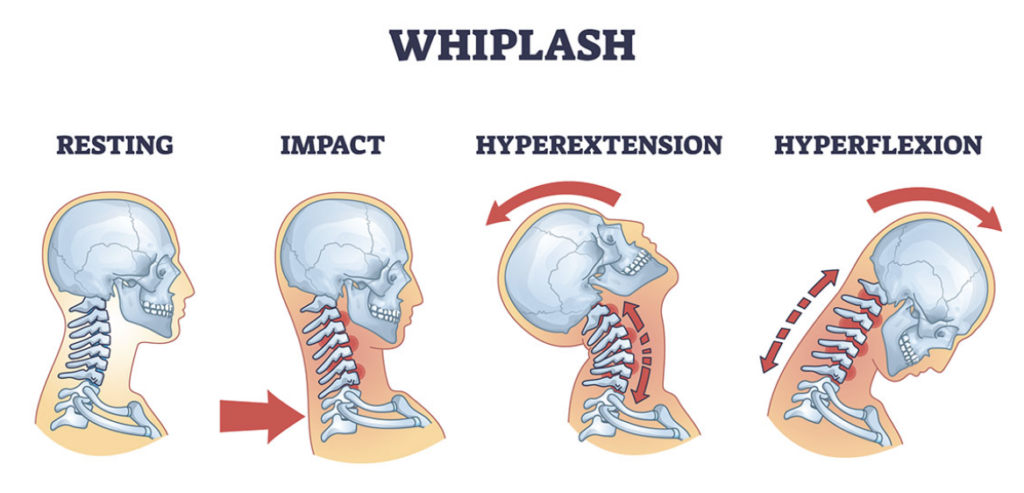
Whiplash can sound like a minor injury at first. However, anyone who has lived with the stiffness, headaches, and neck pain that follow knows it can affect sleep, work, driving, exercise, and even concentration. In simple terms, whiplash happens when the neck is forced to move rapidly back and forth, often during a car accident. You may also hear it called Whiplash-Associated Disorders (WAD), Cervical Acceleration/Deceleration Syndrome, or a Cervical Sprain or Strain. Although many people improve well, some need the right support to fully recover and regain confidence Book an Appointment and we’ll get you moving better than ever.
What is whiplash?
Whiplash is not just “a sore neck.” Rather, it is a cluster of symptoms that can happen after a sudden force causes the head and neck to accelerate and decelerate quickly. As a result, people may develop pain, stiffness, reduced movement, headaches, shoulder pain, dizziness, jaw discomfort, fatigue, and sometimes trouble focusing. In fact, a 2024 systematic review found that symptoms in Whiplash-Associated Disorders (WAD) often extend beyond the neck alone, which is why a full assessment matters.
What are the signs of whiplash?
Common signs of whiplash include:
- neck pain and stiffness
- reduced ability to turn your head
- headaches, often starting at the base of the skull
- shoulder or upper back pain
- muscle spasm
- dizziness or blurred vision
- jaw pain, poor concentration, or disturbed sleep in some cases
Importantly, symptoms do not always show up right away. Sometimes they build over several hours after the incident. Therefore, getting checked early is helpful, especially if symptoms are worsening.
Who is at risk of whiplash?
Most people associate whiplash with rear-end motor vehicle collisions, and that is the most common cause. Still, it can also happen in sports, falls, or any sudden jolt. That said, not everyone recovers at the same speed. Recent research suggests that people with higher early pain levels, greater disability, and more distress soon after injury are more likely to have ongoing symptoms.
In other words, risk is not just about the crash itself. It is also about how the body and nervous system respond afterward. Therefore, early education, reassurance, and a guided rehab plan can make a real difference.
How physiotherapy can help
Physiotherapy is helpful because it looks at the whole picture, not just the sore spot. After all, whiplash can affect movement, muscles, confidence, sleep, and daily function.
A physiotherapist may help by:
- assessing pain, range of motion, strength, and function
- screening for red flags and deciding whether further medical follow-up is needed
- giving clear advice on what is safe to do
- prescribing exercises to restore mobility, control, and strength
- guiding a gradual return to driving, work, sport, and the gym
- helping you pace activity so you improve without flaring symptoms
Above all, good physiotherapy aims to keep you moving, reduce fear, and build function step by step. That matters because passive treatments alone are less likely to create lasting change than active rehab and self-management.
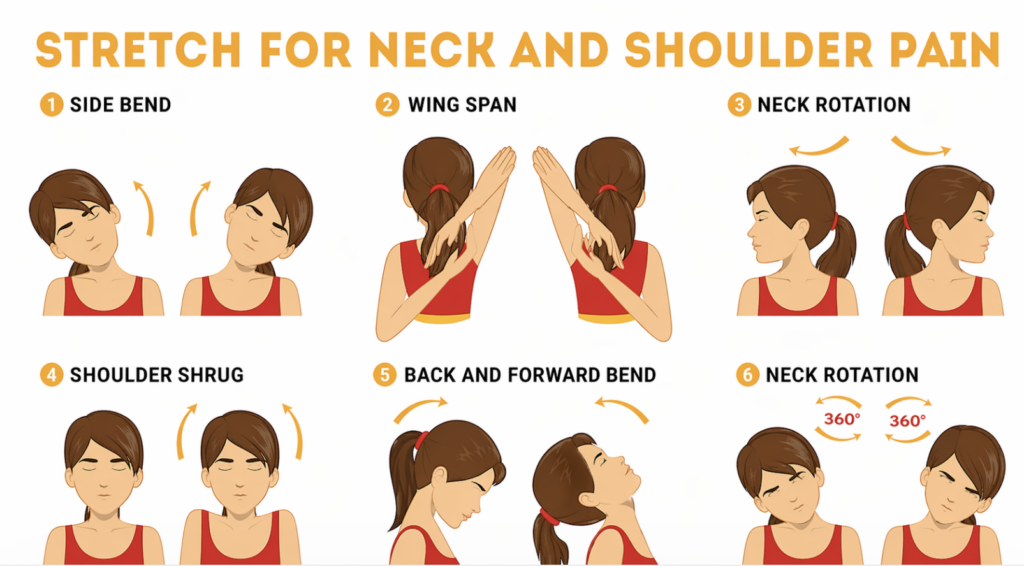
Example of exercises for a person with whiplash
Do not attempt unless you have been assessed and cleared to attempt these by a licensed professional
People also ask
What is the recovery time for whiplash?
The honest answer is: it varies. Many people improve over days to weeks, while others take several months. Unfortunately, some continue to have symptoms longer, especially if pain and disability are high early on. Research shows recovery is influenced by symptom severity, function, and psychosocial factors, not simply by “time passing”. Prognostic factors of pain, disability, and poor outcomes in persons with neck pain
The good news, however, is that recovery is often helped by staying appropriately active, understanding the condition, and following a structured rehab plan instead of relying on prolonged rest. Effects of a Guided Neck-Specific Exercise Therapy on Recovery After a Whiplash
How to fix whiplash?
There usually is not one instant “fix.” Instead, the best approach is a combination of:
- education and reassurance
- gradual return to normal movement
- targeted exercise
- symptom management
- pacing and progression
For persistent or more complex cases, physiotherapy may also address balance problems, dizziness, jaw symptoms, reduced confidence with movement, and nervous system sensitivity. The symptom profile of people with whiplash
Importantly, newer evidence suggests neck-specific exercise can help improve pain and disability, especially when it is guided and progressed properly. A 2024 systematic review and meta-analysis supported guided neck-specific exercise after whiplash, and a 2023 randomized trial found that internet-supported neck-specific exercise with fewer physiotherapy visits performed similarly to more frequent supervised sessions in chronic WAD.
Helpful resources
For more reading, see the ChoosePT guide, and the AHS overview. For more help, visit Physiotherapy Services and Book an Appointment.
Ready to get moving again?
If you have neck pain, headaches, or stiffness after a crash or sudden jolt, don’t just wait and hope it goes away. Early advice, the right exercises, and a personalized physiotherapy plan can make recovery smoother and less stressful. Book an Appointment to get assessed and start your whiplash recovery with confidence.
References
Arribas-Romano, A., et al. (2024). Conditioned pain modulation and temporal summation of pain in whiplash-associated disorders: A systematic review and meta-analysis. Pain Medicine. PMID: 37734462.
Gerard, T., et al. (2024). Prognostic factors of pain, disability, and poor outcomes in neck pain and trauma-related neck pain: A systematic review. Journal of Orthopaedic & Sports Physical Therapy. PMID: 39363645.
Lazcano, P. M., et al. (2024). Effects of a guided neck-specific exercise therapy on recovery after a whiplash: A systematic review and meta-analysis. American Journal of Physical Medicine & Rehabilitation. PMID: 38466196.
Peterson, G., et al. (2023). Efficacy of neck-specific exercise with internet support versus exercise at a physiotherapy clinic in chronic whiplash-associated disorders: Multicenter randomized controlled noninferiority trial. Journal of Medical Internet Research, 25, e43888. PMID: 37338972.
Särkilahti, N., et al. (2024). The symptom profile of people with whiplash-associated disorder: A mixed-method systematic review. Musculoskeletal Science and Practice, 74, 103102. PMID: 39593667.
Blanpied, P. R., et al. (2017). Neck pain: Revision 2017 clinical practice guidelines linked to the International Classification of Functioning, Disability and Health from the Orthopaedic Section of the American Physical Therapy Association. Journal of Orthopaedic & Sports Physical Therapy, 47(7), A1-A83.