Interestingly, as more Canadians continue spending hours each day on computers, smartphones, gaming devices, and repetitive hand-intensive hobbies, healthcare professionals are seeing increasing numbers of overuse-related hand conditions. While technology itself doesn’t directly cause trigger finger, repetitive gripping and forceful hand activities may contribute to symptoms in susceptible individuals. Recent research also continues to improve our understanding of why this condition develops and which treatments work best.
Whether you’re working with tools, gardening, typing, or caring for children, a stuck finger can make even the simplest daily tasks frustrating. Fortunately, the good news is that most people recover well with the right treatment—especially when care begins early
If you’re experiencing symptoms in Edmonton, AB, Empower Physiotherapy can play an important role in reducing pain, improving movement, and helping you avoid more invasive treatments. Book now for your initial assesment!
What is Trigger Finger?
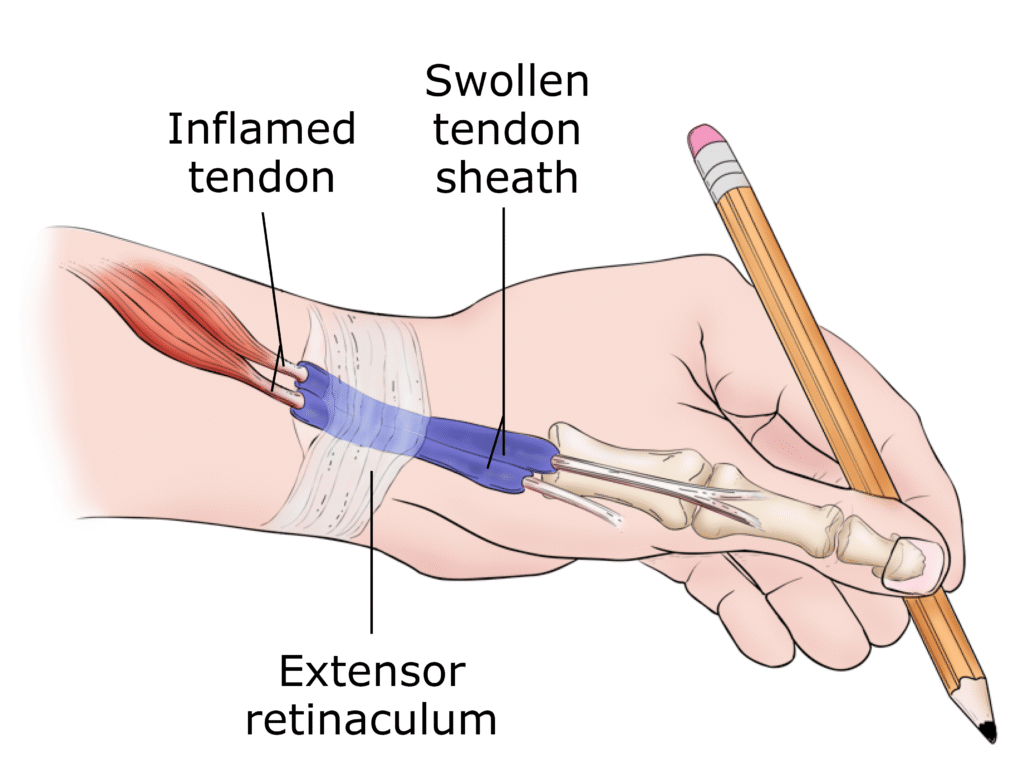
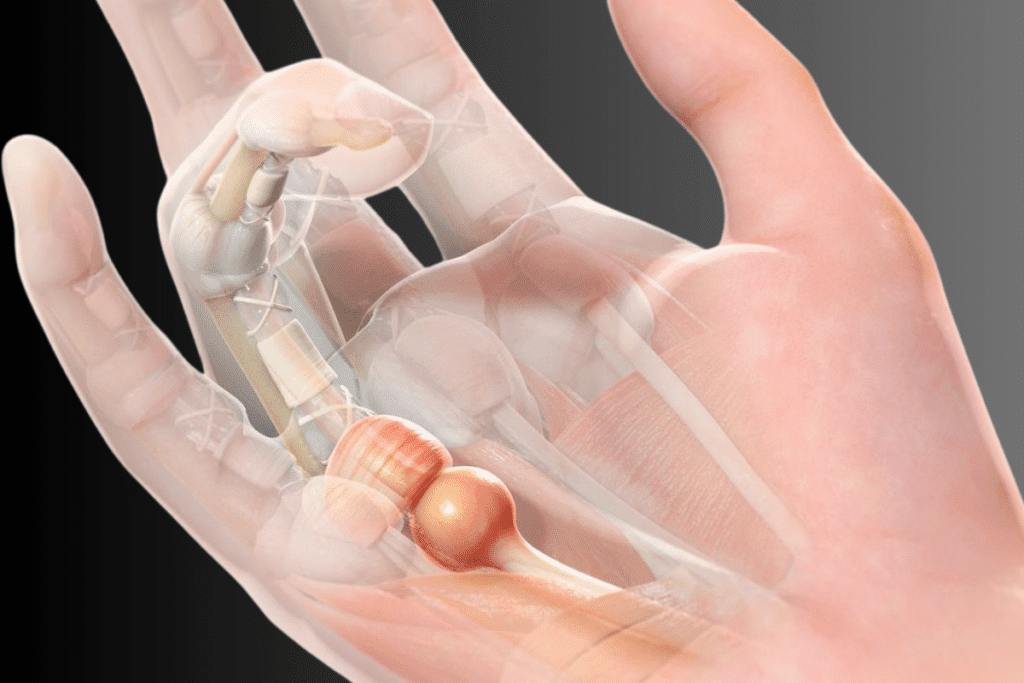
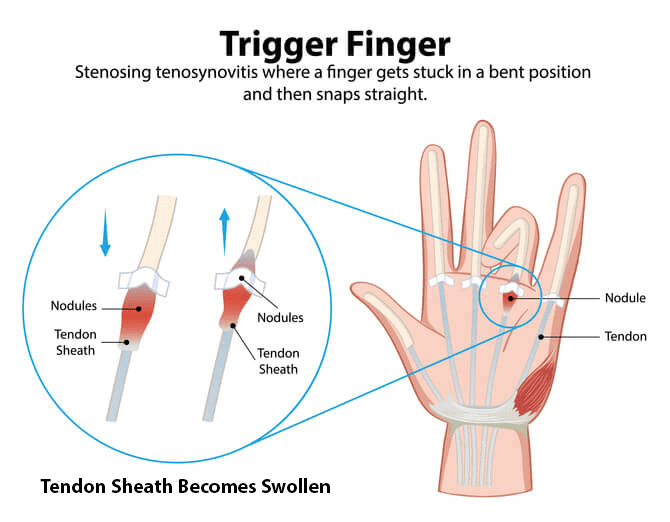
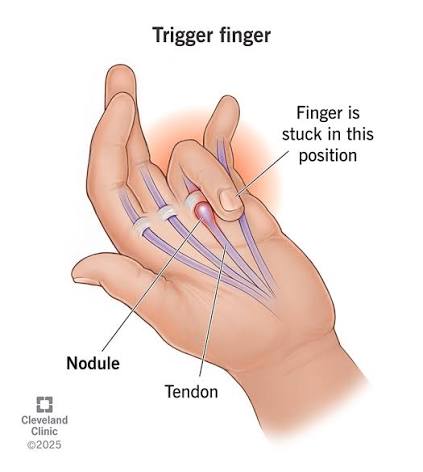
Trigger finger (Stenosing tenosynovitis) occurs when one of the tendons that bends your finger becomes irritated and swollen.
Normally, the tendon glides smoothly through a small tunnel (called the A1 pulley). However, when inflammation or thickening develops, the tendon can no longer move freely. As a result, your finger may:
Click or snap when moving
Feel stiff, especially first thing in the morning
Become painful at the base of the finger
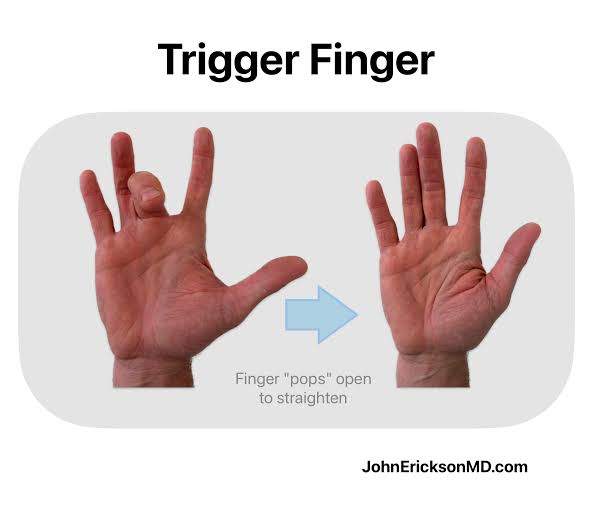
Lock in a bent position before suddenly releasing
In more advanced cases, the finger may become completely stuck and require assistance from the other hand to straighten.
What Causes Trigger Finger?
Although there isn’t always one clear cause, several factors increase your risk.
These include:
- Repetitive gripping or forceful hand use
- Frequent use of vibrating tools
- Diabetes
- Rheumatoid arthritis
- Previous hand injuries
- Being between 40 and 60 years old
- Being female (women are affected more often than men)
Recent research suggests that trigger finger is usually the result of multiple contributing factors rather than simple overuse alone. Genetics, underlying health conditions, tendon changes, and mechanical stress all appear to play a role.
Who Is Most at Risk?
You may be more likely to develop trigger finger if you:
- Work in construction, trades, healthcare, manufacturing or farming
- Spend long hours gripping tools
- Perform repetitive hand motions at work
- Play musical instruments
- Garden frequently
- Have diabetes or inflammatory arthritis
- Recently increased your activity level
🔍 Common Symptoms
Symptoms often develop gradually and may include:
Tenderness in the palm
A painful lump near the base of the finger
Clicking or popping during movement
Morning stiffness
A stuck finger that suddenly releases
Difficulty making a fist
Without treatment, symptoms often become progressively more frequent and painful.
What Is the Best Way to Fix Trigger Finger?
This is one of the most common questions people ask.
The answer depends on how severe the condition has become.
For mild to moderate cases, treatment often includes:
- Activity modification
- Physiotherapy
- Gentle stretching exercises
- Tendon gliding exercises
- Splinting (when appropriate)
- Reducing repetitive gripping
- Improving hand mechanics
If symptoms persist, your physician may recommend a corticosteroid injection. Surgery is generally reserved for cases that do not improve with conservative care or when the finger remains locked.
Current evidence supports beginning with conservative management whenever appropriate before considering surgery.
Can Trigger Finger Repair Itself?
Sometimes—but not always.
Very mild cases may improve if the irritated tendon is given time to settle and repetitive aggravating activities are reduced.
However, many cases continue to worsen over time without treatment. Once locking becomes frequent, spontaneous recovery becomes much less likely.
Seeking treatment early usually leads to faster recovery and may reduce the need for injections or surgery.
What Are the Main Causes of Trigger Finger?
The most common causes include:
- Thickening of the tendon
- Swelling around the tendon sheath
- Repetitive gripping activities
- Diabetes
- Inflammatory arthritis
- Age-related tendon changes
Importantly, research now shows trigger finger is a multifactorial condition, meaning several factors usually work together rather than one single cause.¹
How Can Physiotherapy Help?
Many people are surprised to learn that physiotherapy can be very effective—particularly during the early and moderate stages.
Your physiotherapist will first determine what activities are irritating the tendon.
Treatment may include:
Education
Learning which movements temporarily aggravate symptoms can help calm the irritated tendon.
Tendon Gliding Exercises
Specific exercises help improve tendon movement while reducing stiffness.
Gentle Stretching
Improving finger flexibility helps restore comfortable movement.
Manual Therapy
Hands-on treatment may improve mobility of the surrounding joints and soft tissues.
Splinting Advice
In some cases, temporary splinting helps reduce irritation while healing occurs.
Progressive Strengthening
As pain settles, strengthening exercises improve grip function and reduce recurrence.
Most importantly, physiotherapy provides a personalized treatment plan rather than a one-size-fits-all approach.
How Long Does Recovery Take?
Recovery depends on:
- How long symptoms have been present
- Severity of tendon irritation
- Your occupation
- Underlying medical conditions
- How consistently you follow treatment
Many mild cases improve within several weeks, while more persistent cases may require several months of rehabilitation.
The earlier treatment begins, the better the chances of avoiding more invasive interventions.
The Bottom Line
Trigger finger (Stenosing tenosynovitis) is common, painful, and frustrating—but it is also highly treatable.
If you’ve noticed clicking, locking, or a stuck finger, don’t ignore it. Early assessment and appropriate physiotherapy can help restore normal movement, reduce pain, and get you back to the activities you enjoy.
If you’re looking for expert physiotherapy care in Edmonton, AB, our team is here to help you regain comfortable hand function with evidence-based treatment tailored to your goals.
Ready to Get Your Hand Moving Again?
Don’t let trigger finger interfere with work, hobbies, or everyday life. Contact our physiotherapy clinic today to book a comprehensive assessment and start your personalized recovery plan. The sooner treatment begins, the sooner you can get back to using your hands with confidence.
References
Donati, D., Ricci, V., Boccolari, P., et al. (2024). From diagnosis to rehabilitation of trigger finger: A narrative review. BMC Musculoskeletal Disorders, 25, 1061. https://doi.org/10.1186/s12891-024-08192-5
Guggenheim, L., Kang, Y., Furniss, D., & Wiberg, A. (2024). Identifying non-genetic factors associated with trigger finger. Journal of Plastic, Reconstructive & Aesthetic Surgery, 94, 91–97. https://doi.org/10.1016/j.bjps.2024.04.066
Nadar, M. S. (2024). Orthosis vs. exercise for the treatment of adult idiopathic trigger fingers: A randomized clinical trial. Prosthetics and Orthotics International, 48(6), 713–719.
Shohda, E., & Sheta, R. A. (2024). Misconceptions about trigger finger: A scoping review. Definition, pathophysiology, site of lesion, etiology. Advances in Rheumatology, 64, 53.
Yousef, A. M., et al. (2024). Effect of dry needling on quality of life in patients with trigger finger: A randomized controlled trial. Bulletin of Faculty of Physical Therapy, 29, 11.