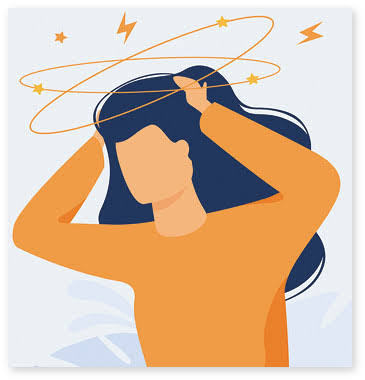
Have you ever rolled over in bed, looked up at a shelf, or stood up quickly and suddenly felt like the room was spinning? If so, you’re not alone. Millions of people experience dizziness or vertigo each year, and while the sensation can be frightening, it’s often treatable.
Interestingly, researchers continue to make significant advances in understanding vertigo and improving treatment options. Recent studies highlight that early vestibular rehabilitation and targeted physiotherapy can reduce symptoms, improve balance, and help people return to their normal activities sooner.
Let’s explore what vertigo is, who is at risk, and how us at Empower Physiotherapy can help you feel steady again.
What Is Vertigo?
Vertigo isn’t a condition itself—it’s a symptom. It describes the false sensation that you or your surroundings are spinning, moving, or tilting even when you’re perfectly still.
Although many people use the words vertigo and dizziness interchangeably, they aren’t exactly the same:
- Vertigo: A spinning or moving sensation.
- Dizziness: Feeling lightheaded, unsteady, or off balance.
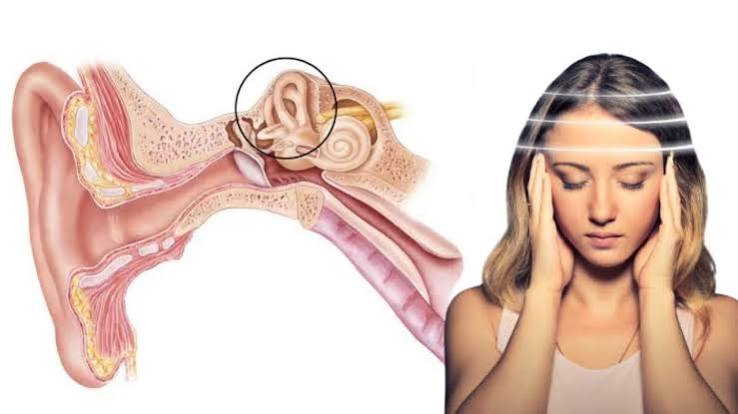
Most cases of vertigo are caused by problems within the inner ear (the vestibular system), which helps control balance and spatial awareness.
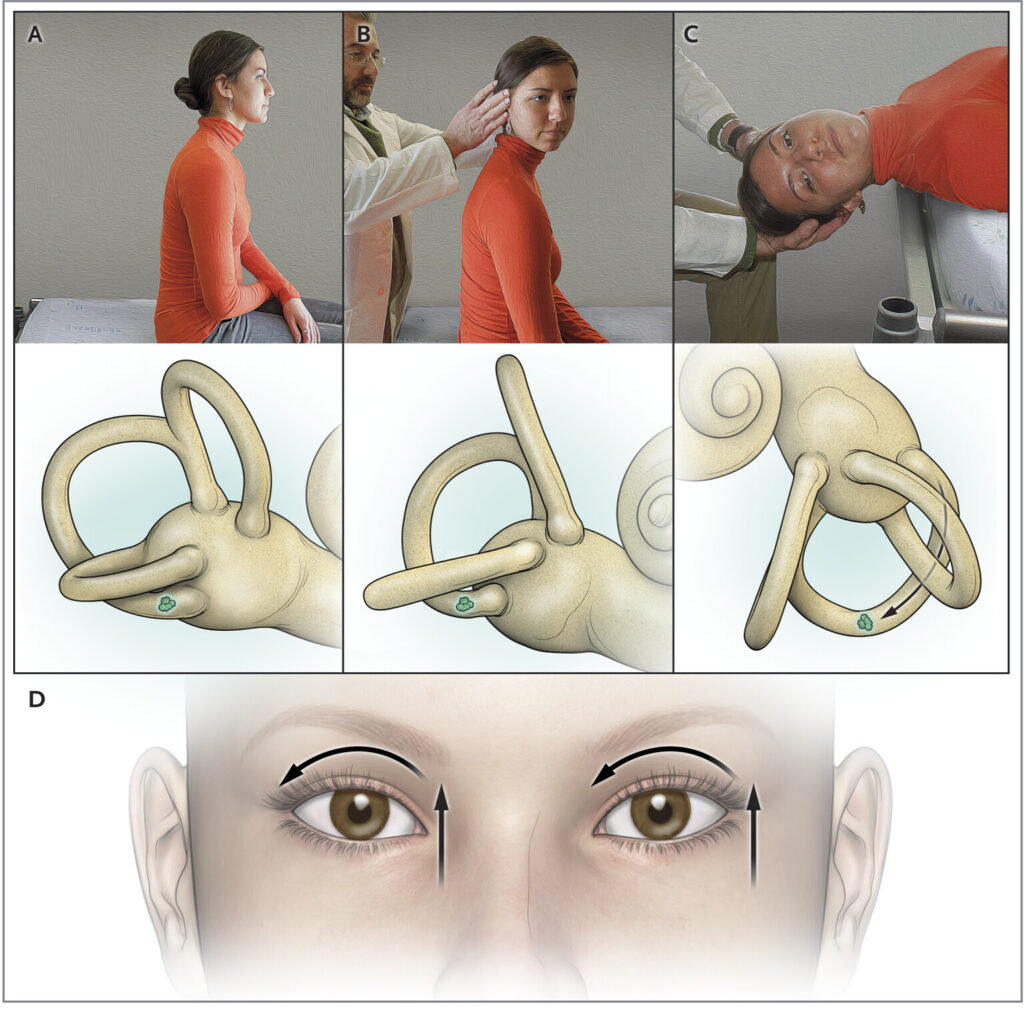
Benign Paroxysmal Positional Vertigo (BPPV) is the most common cause of vertigo. It occurs when tiny calcium crystals (called otoconia) become dislodged from their normal position in the inner ear and move into one of the balance canals. As a result, your brain receives incorrect signals about your head position, causing brief episodes of spinning or dizziness, especially when rolling over in bed, looking up, bending down, or turning your head quickly.
Although BPPV can feel alarming, it is not dangerous and is highly treatable. In many cases, a physiotherapist trained in vestibular rehabilitation can resolve symptoms using simple repositioning techniques, such as the Epley manoeuvre, often in just one or two treatment sessions.
Common causes include:
- Benign Paroxysmal Positional Vertigo (BPPV)
- Vestibular neuritis
- Labyrinthitis
- Vestibular migraine
- Ménière’s disease
- Concussion-related vestibular dysfunction
Who Is Most at Risk?
Although anyone can experience vertigo, it is more common in:
- Adults over age 50
- People with previous inner ear infections
- Individuals with migraines
- People recovering from a concussion
- Those with osteoporosis or vitamin D deficiency
- Anyone who has experienced previous episodes of BPPV
Because balance naturally changes with age, untreated vertigo can significantly increase the risk of falls and injury, particularly in older adults.
Common Symptoms
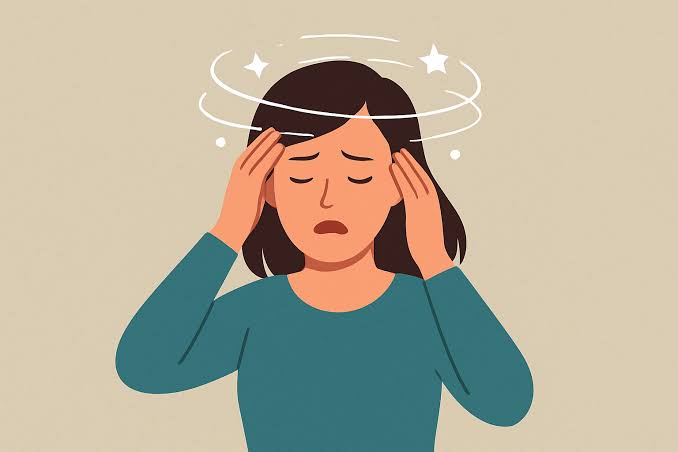
You may experience:
- A spinning sensation
- Feeling pulled to one side
- Loss of balance
- Nausea or vomiting
- Blurred vision
- Difficulty focusing
- Motion sensitivity
- Feeling worse when turning your head or changing positions
Symptoms may last only seconds or continue for hours or even days depending on the underlying cause.
How Is Vertigo Diagnosed?
Your physiotherapist will perform a detailed assessment that may include:
- A thorough medical history
- Balance testing
- Walking assessment
- Eye movement testing
- Positional testing (such as the Dix-Hallpike test)
- Vestibular function assessment
This helps determine whether your symptoms originate from the vestibular system or another condition requiring medical referral.
How Can Physiotherapy Help?
The good news is that many causes of vertigo respond extremely well to physiotherapy.
Vestibular rehabilitation is a specialized form of physiotherapy that retrains your brain and balance system.
Depending on your diagnosis, treatment may include:
Canal Repositioning Maneuvers
If you have BPPV, techniques such as the Epley manoeuvre can reposition tiny calcium crystals inside the inner ear that trigger spinning sensations.
Shown in the picture below.
Gaze Stabilization Exercises
These exercises improve your ability to keep your vision clear while moving your head.
Balance Training
Specific exercises improve coordination, confidence, and reduce your risk of falling.
Gradual Movement Exposure
Avoiding movement often prolongs recovery. Instead, your physiotherapist gradually introduces movements that help your brain adapt safely.
Home Exercise Program
You’ll receive personalized exercises to continue your recovery between appointments.
Recent systematic reviews continue to support vestibular rehabilitation as one of the most effective treatments for many vestibular disorders, with evidence showing improved dizziness, balance, function, and quality of life.
How Long Does Recovery Take?
Recovery varies depending on the cause.
For example:
- BPPV often improves after one or two treatment sessions.
- Vestibular neuritis may take several weeks.
- Persistent dizziness or balance disorders can require several weeks of vestibular rehabilitation.
The earlier treatment begins, the better the outcomes tend to be.
People Also Ask
1. Can vertigo go away on its own?
Sometimes. However, many causes—especially BPPV—respond much faster when treated with the correct repositioning manoeuvres rather than waiting for symptoms to resolve naturally.
2. Should I exercise if I have vertigo?
Yes—but only with the right guidance. Certain exercises can improve recovery, while others may worsen symptoms if they’re not appropriate for your diagnosis. A vestibular physiotherapist will create a program that’s safe for you.
3. When should I see a physiotherapist for dizziness?
If your dizziness or spinning lasts more than a few days, keeps returning, affects your balance, or interferes with daily life, it’s a good idea to be assessed. Seek immediate medical attention if your dizziness is accompanied by severe headache, weakness, difficulty speaking, chest pain, or vision changes.
Take the First Step Toward Better Balance
Living with dizziness or a constant spinning sensation doesn’t have to become your new normal. Fortunately, with the right assessment and personalized vestibular rehabilitation program, many people experience significant improvement and regain confidence in their movement.
If you’re struggling with vertigo or balance problems, our physiotherapists are here to help. Ready to feel steady again? Book an Appointment with one of our physiotherapists today.
References
Academy of Neurologic Physical Therapy. (2022). Vestibular rehabilitation for peripheral vestibular hypofunction: Updated clinical practice guideline. Journal of Neurologic Physical Therapy.
Agger-Nielsen, H. E., Grøndberg, T. S., Berg-Beckhoff, G., & Ovesen, T. (2024). Early vestibular rehabilitation training of peripheral acute vestibular syndrome: A systematic review and meta-analysis. Frontiers in Neurology, 15.
Law, J. H., Koh, H. Y., & Kua, A. (2024). Optokinetic stimulation in the rehabilitation of visually induced dizziness in people with vestibular disorders: A systematic review. Clinical Rehabilitation, 38(8), 1001–1022.
Madrigal, J., Manzari, L., Figueroa, J. J., & Castillo-Bustamante, M. (2024). Understanding benign paroxysmal positional vertigo (BPPV) and its impact on quality of life: A systematic review. Cureus, 16(6).